Websites and systems built for organizations with more complexity to manage
BUILT helps larger organizations modernize fragmented platforms, create reusable content systems, support multiple teams and markets, and build custom functionality without adding another layer of technical complexity.
Architecture, content standards, and technical ownership
Corporate website
Regional content
Custom functionality
Ongoing development
Many organizational needs. One governed foundation. Flexible outputs.
The operating reality
Complexity accumulates faster than most platforms are designed to handle
Enterprise websites rarely become difficult because of one major decision. Complexity builds over time through new business units, markets, campaigns, integrations, legacy technology, regional requirements, and one-off fixes that gradually become part of the permanent system.
Business units and markets need flexibility without creating separate systems
Marketing teams need to publish without depending on developers for routine changes
Legacy platforms accumulate workarounds as requirements expand
Technical updates become harder when ownership, code, and content are fragmented
Complexity accumulates
Fragmented state
New market
New product
Campaign
Acquisition
Integration
Technical exception
Shared architecture
Structured content
Reusable components
Clear ownership
Controlled integrations
The goal is not to eliminate complexity. It is to give that complexity a system that can support it.
The platform model
Centralize what should be shared. Keep flexibility where the organization needs it.
A strong enterprise platform creates common standards for architecture, design, content, and technical ownership without forcing every business unit, market, or team into identical content.
Shared standards
Brand and design system
Navigation and information architecture
Reusable components
Technical standards
Integrations
Accessibility and responsive behavior
Controlled flexibility
Business-unit content
Regional messaging
Industry and audience pages
Campaigns
Product-specific needs
Localized calls to action
Technical governance
CMS architecture
Structured data
Platform ownership
Permissions and editorial controls
Custom functionality
Continued development
Govern→Publish→Extend→Maintain
Technical delivery
Support across the systems enterprise marketing depends on
Give many teams one maintainable publishing foundation
Reusable content systems and structured CMS architecture give enterprise marketing teams room to support products, business units, industries, regions, campaigns, and resources without rebuilding the website around every new requirement.
Reusable content architecture
Multi-vertical websites
Regional and localized content
Editor-safe CMS systems
Shared content foundation
Corporate page
Product page
Industry page
Regional page
Common structure, design rules, and reusable content patterns across distinct outputs.
Platform modernization
Replace years of technical exceptions with a clearer foundation
BUILT can evaluate an inherited CMS, fragmented site network, competing editing systems, or legacy architecture and rebuild the parts that are making routine marketing and development unnecessarily difficult.
CMS and platform migration
Legacy architecture cleanup
Multi-site consolidation
Custom functionality and integrations
Fragmented environment
Multiple CMS instances
Different themes
Plugins
One-off functionality
Repeated updates
Shared foundation
Structured CMS
Reusable components
Shared technical standards
Custom extension layer
Ongoing technical ownership
Keep the platform moving after the rebuild
Enterprise sites continue changing after launch. BUILT can remain involved for new capabilities, integrations, troubleshooting, platform improvements, content-system changes, and continued technical planning.
Continued feature development
Integration maintenance
Technical troubleshooting
Platform and experience improvements
One platform over time
LaunchStable foundation
MaintainFixes, updates, and reliability
ImprovePerformance and experience refinements
ExtendNew features and integrations
Launch is the beginning of ownership, not the end of the work.
Ways to work together
Start with the engagement that fits the complexity
Some enterprise teams need clarity before choosing a modernization path. Others already know what needs to be rebuilt or need continued technical ownership across an active platform.
Focused review
Starting at$2,500
Use a focused review to evaluate architecture, content systems, integrations, publishing workflows, technical debt, and where the current platform is limiting the organization.
Use a defined engagement for a website modernization, CMS migration, multi-site consolidation, reusable content system, custom functionality, or other clearly scoped platform initiative.
Use ongoing development when the organization needs a technical partner across active initiatives, platform improvements, integrations, troubleshooting, and continued expansion.
Focused improvements may also be scoped when the work is narrow and clearly defined.
Relevant work
Enterprise platforms rebuilt around the organization they actually serve
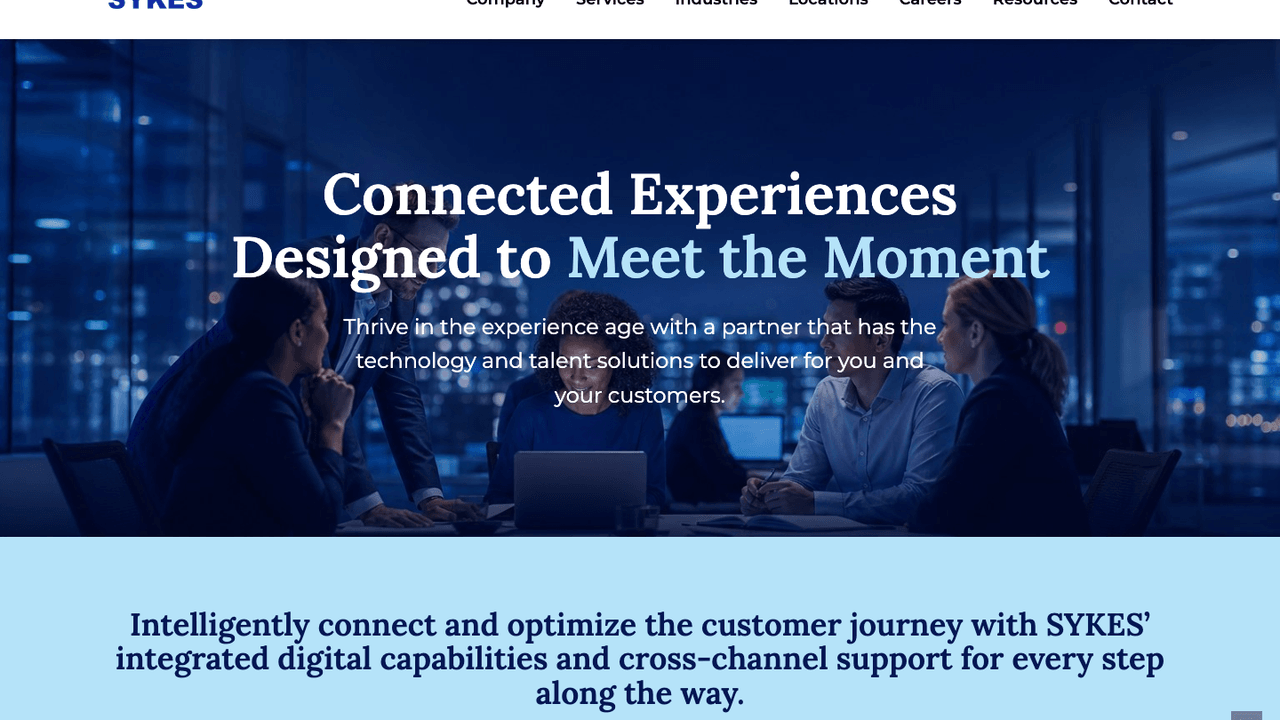
SYKES
More than 20 country websites moved onto one shared global foundation
BUILT created a shared WordPress architecture for SYKES that centralized the theme, plugins, reusable components, and technical standards while allowing regional stakeholders across 23 countries to manage localized content.
Enterprise WordPress modernization with a reusable ACF module system that gave marketing more publishing flexibility and room for custom corporate functionality.
Built for organizations where the website has become an operating system of its own
Common enterprise situations
The corporate website supports several business units or verticals
Different regions or teams have created inconsistent publishing patterns
Routine marketing changes require too much developer involvement
The current CMS has accumulated years of workarounds
Multiple sites or installations are difficult to keep aligned
Custom requirements no longer fit the original platform
Usually a good fit when
Several teams depend on the same platform
Brand consistency and local flexibility both matter
Content and technical governance need clearer boundaries
The organization needs reusable architecture rather than another redesign
Custom functionality must coexist with marketing content
Long-term technical ownership matters after launch
Start a conversation
What has your enterprise website accumulated over the years?
Share which systems, teams, markets, integrations, and publishing requirements the platform now has to support. BUILT can help simplify the architecture without stripping away the flexibility the organization still needs.